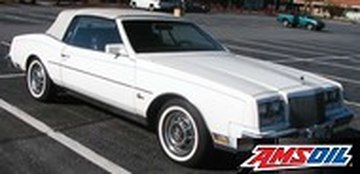
Maintaining Lubrication Integrity for the 1982 Buick RIVIERA 3.8L Turbo
Proper engine care for a vehicle like the 1982 Buick RIVIERA with its 3.8L Turbo engine requires a disciplined approach to fluid management and routine inspections. Because turbocharging introduces specific thermal demands on an engine, ensuring that the lubrication system is functioning correctly and using the appropriate fluids is a primary component of long-term ownership.Monitoring Fluid Condition and Potential Leaks
A proactive approach to maintenance involves regular visual assessments of the engine bay. For any vehicle of this era, checking for signs of fluid seepage or leakage is a fundamental task. Owners should look for wetness around various sealing surfaces and gaskets. While some minor seepage can occur as components age, identifying these areas early allows for more controlled maintenance decisions. When performing an inspection, it is useful to check the area surrounding the oil pan and the various engine covers. If any accumulation of fluid is noted, it warrants further investigation to determine if a seal is aging or if a component requires attention. Additionally, observing the color and consistency of the engine oil can provide clues about the engine's internal state. Oil that appears excessively dark, gritty, or contains visible contaminants should be addressed promptly. Beyond the engine itself, inspecting associated components such as hoses (if present) and electrical connections ensures that the overall environment remains stable. Ensuring that wiring is secure and that no fluid is contacting sensitive electrical connectors can prevent secondary issues during routine operation.Managing Engine Oil in Turbocharged Applications
The presence of a turbocharger on the 3.8L engine means that the lubrication system must manage significant heat. High temperatures are an inherent part of the turbocharging process, and the oil plays a vital role in managing these thermal loads. Maintaining the cleanliness of the lubricant is essential to prevent the buildup of deposits that can occur when oil is subjected to repeated heating and cooling cycles. When considering different types of lubricants, owners have several options depending on their specific needs:- Conventional Oils: These are standard mineral-based oils that provide reliable lubrication for many applications.
- Synthetic and Synthetic Blends: These formulations often offer enhanced thermal stability and resistance to oxidation, which can be beneficial in high-temperature environments.
- High-Mileage Formulations: Some high-mileage oil formulations contain additives intended for use in aging engines, including seal-conditioning additives that may help maintain the integrity of older gaskets.